
If you’re dealing with a herniated disc and seeking effective herniated disc treatment Long Island options, this article will guide you through the best available solutions. From non-surgical therapies to advanced surgeries, discover what treatments are right for you and how local specialists can help you find relief.
Key Takeaways
- Herniated discs, commonly occurring in the lower back and neck, are caused by factors such as aging, trauma, and repetitive activities, leading to pain and nerve compression.
- Symptoms of a herniated disc include mild to severe pain in the lower back or neck. Early recognition of symptoms, including lower back pain and neurological issues, is essential for timely diagnosis and treatment, which can include non-surgical methods such as physical therapy and medication management.
- Surgical intervention may be necessary for persistent pain despite conservative treatments, with several surgical options available, and post-surgery recovery is critical for restoring mobility and improving quality of life.
Understanding Herniated Discs
![A distinguished neurosurgeon in a white lab coat stands beside the following inscription on a blue background: "Long Island's Most Trusted, Board-Certified Neurosurgeon" [Website URL].](https://williammccormickmd.com/wp-content/uploads/CTA-1.png)
A herniated disc, sometimes referred to as a slipped disc or bulging disc, occurs when the soft center of an intervertebral disc pushes out through its tough exterior layer, often leading to pain and nerve compression. The terms ‘herniated disk’ and ‘herniated disks’ are alternative spellings for ‘herniated disc’ and ‘herniated discs’. These herniated discs can appear anywhere along the spine, but they most frequently occur in the lower back and neck, where they are subjected to significant stress and movement.
Knowing the anatomy of spinal discs and the causes of disc herniation helps in effectively addressing this condition. The disc material, specifically the gelatinous material at the center of the disc, can escape through a tear in the outer layer, leading to herniation and potential nerve compression.
Anatomy of Spinal Discs
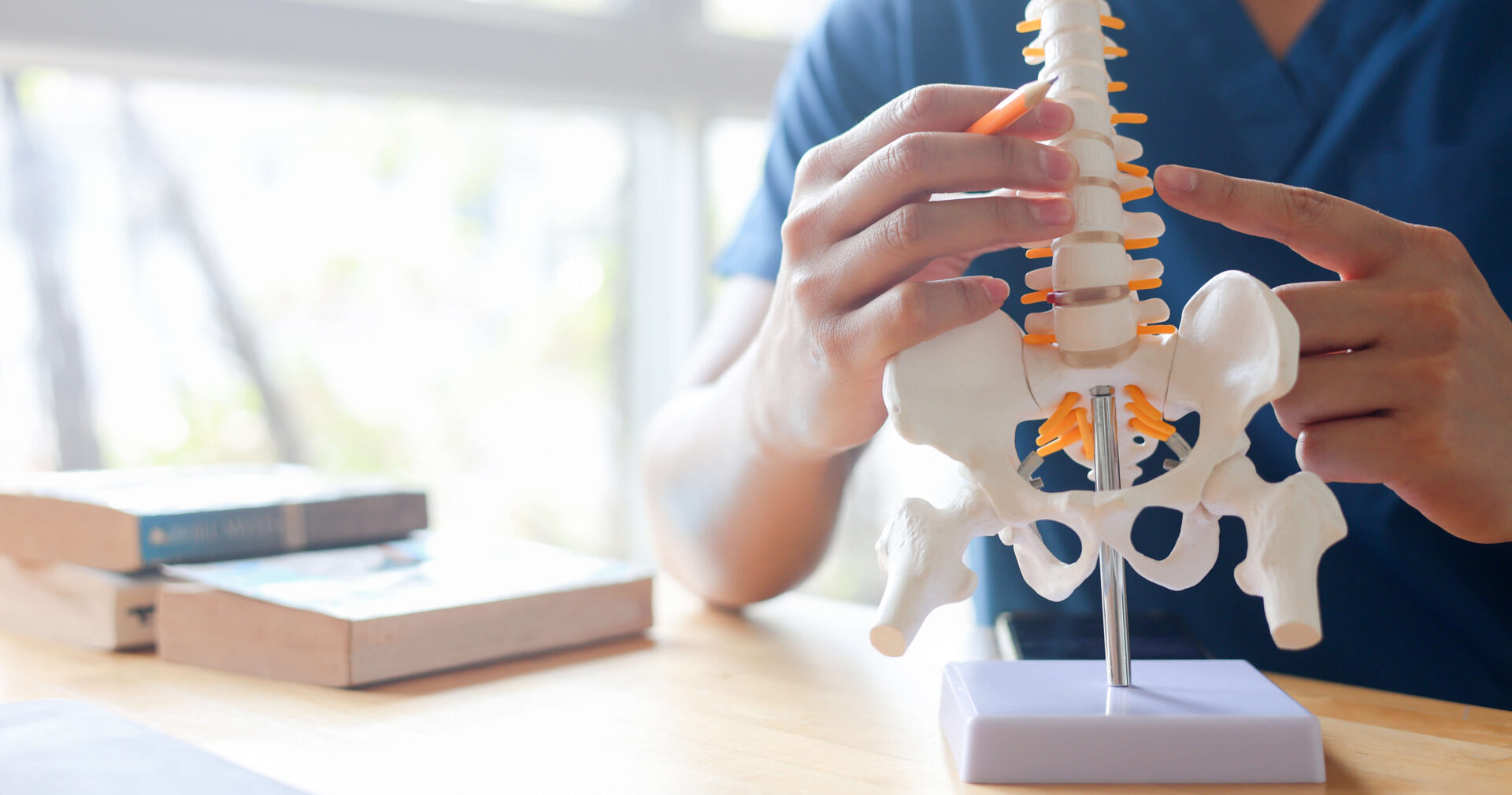
Spinal discs play a critical role in the spine’s structure and function. Each disc consists of a gel-like center called the nucleus pulposus, surrounded by a tough outer ring of fibers. This nucleus is a gelatinous material that acts as a cushion within the disc. These intervertebral discs act as shock absorbers between the spinal vertebrae and the spinal column, allowing for flexibility and movement while cushioning the bones from impact.
When a disc herniates, the outer ring can tear, allowing the disc material (the gelatinous center) to escape and potentially protrude into the spinal canal. This escaped material can put pressure on nearby nerves, causing significant pain and discomfort, potentially leading to nerve damage.
Common Causes of Disc Herniation
Herniated discs can result from several factors, with aging being one of the most common causes. As we age, the ligaments that hold spinal discs in place tend to weaken. Spinal discs also degenerate, lose their strength and flexibility, and become more susceptible to herniation.
Trauma from incidents such as slips, falls, or a car accident can also exert excessive force on the spine, leading to disc herniation. Improper lifting of heavy objects, especially without supporting muscles or correct technique, increases the risk of herniated disks. Additionally, genetic predisposition and repetitive activities that cause wear and tear on the spine can increase the risk of developing herniated discs.
Symptoms of a Herniated Disc
Early recognition of herniated disc symptoms is key for prompt intervention and treatment. Common signs include lower back pain, sciatica, and neurological issues such as numbness or tingling. Herniated discs can cause debilitating pain that significantly impacts daily activities, especially when nearby nerves are affected. The severity and location of symptoms can vary depending on the specific area of the spine affected by the herniation.
Recognizing these symptoms aids in seeking appropriate treatment.
Lower Back Pain
Lower back pain is a frequent symptom of herniated lumbar discs, often accompanied by radicular pain, or sciatica, where pain radiates from the lower back down the leg. Patients may experience increased pain with activity and find relief through rest and specific treatments designed to reduce pressure on the affected nerve roots.
Early identification of these symptoms can lead to timely treatment and pain relief.
Neck Pain
Cervical herniated discs can lead to neck pain that radiates to the shoulders, arms, or hands. This type of herniation can cause significant discomfort and may even result in muscle atrophy due to weakness if left untreated.
Proper treatment can alleviate these symptoms and prevent further complications.
Other Symptoms
Aside from lower back and neck pain, herniated discs can cause other symptoms such as muscle spasms, numbness, and muscle weakness in the limbs. These symptoms can make daily activities challenging and may lead to difficulties in walking, lifting, or other movements.
Addressing these additional symptoms is important for comprehensive treatment.
Diagnosing Herniated Discs on Long Island
Accurate diagnosis determines the most effective treatment. The process typically starts with a thorough physical examination and a detailed medical history to understand the patient symptoms and any factors affecting discomfort.
Spine specialists on Long Island use advanced diagnostic tools to precisely identify the herniated disc and its impact.
Medical History and Physical Examination
During the initial consultation, patients discuss their symptoms, pain duration, and any actions that affect their discomfort. A physical examination follows, assessing the range of motion and identifying specific areas of pain.
This comprehensive approach helps in crafting a tailored treatment plan, often beginning with non-surgical options like physical therapy.
Imaging Tests
Imaging tests are crucial for confirming a diagnosis of a herniated disc. These include:
- X-rays, which examine the spine’s bony structures
- MRIs, which provide detailed images of soft tissues, including the discs
- CT scans, which offer an additional layer of detail, especially when MRI is not an option.
These tests help pinpoint the exact location and extent of the herniation, guiding effective treatment options.
Non-Surgical Treatments for Herniated Discs
Non-surgical treatments are often the first line of defense in managing herniated disc pain. These treatments include:
- Physical therapy
- Medication management
- Spinal decompression therapy
- Alternative therapies like acupuncture and massage
- Corticosteroid injections can be administered to reduce inflammation and alleviate pain caused by a herniated disc.
A physical therapist will design and oversee individualized exercise and rehabilitation programs to help patients with herniated discs reduce pain, improve mobility, and recover from injuries.
These options can offer significant relief and improve function, enhancing quality of life without requiring surgical intervention.
Physical Therapy
Physical therapy plays a pivotal role in herniated disc treatment by reducing pain and restoring mobility. It involves a combination of:
- stretches
- exercises
- ultrasound therapy
- electrotherapy These methods help alleviate discomfort and strengthen supporting muscles to treat disc herniation.
Consistent physical therapy sessions can boost recovery and prevent future injuries.
Medication Management
Pain management typically includes medications like NSAIDs, muscle relaxants, and corticosteroids to reduce inflammation and pain. Over-the-counter medications like Tylenol and Advil may also be used, depending on the patient’s medical history and the severity of their symptoms.
These medications offer relief and support other treatments in relieving pain.
Spinal Decompression Therapy
Spinal decompression therapy uses motorized traction to stretch the spine, relieving pressure on herniated discs and promoting healing. Non-surgical spinal decompression involves stretching the spine to relieve pressure on the spinal vertebrae and aid healing of a disc herniation. This therapy addresses the root cause of spinal nerve compression, significantly reducing pain and improving mobility in the spinal cord.
It is a non-surgical option that offers substantial relief for many patients through steroid injections.
Alternative Therapies
Alternative therapies like acupuncture and massage therapy can complement traditional treatments by promoting pain relief and enhancing blood circulation. These therapies are often used alongside physical therapy and medication management to provide a holistic approach to herniated disc treatment.
When Surgery is Necessary
While most patients can manage herniated disc pain with non-surgical treatments, surgery may require surgery when severe pain persists despite conservative measures. In such cases, spine specialists may recommend surgery if conservative treatments fail to provide relief or if symptoms worsen.
Referring to well-credentialed surgeons is important for ensuring the best outcomes for those requiring surgical intervention.
Types of Surgical Procedures
Several surgical options are available for treating herniated discs, including discectomy, spinal fusion, and total disc replacement. Discectomy removes the portion of the disc pressing on nerves, while spinal fusion stabilizes the spine by fusing vertebrae together. Total disc replacement involves removing the herniated disc and inserting an artificial disc, preserving mobility.
Total disc replacement replaces the damaged disc with an artificial one, restoring function and reducing pain, once dr.
Recovery and Rehabilitation
Post-surgery recovery and rehabilitation are vital for a successful outcome. This process involves managing pain, reducing inflammation, and gradually increasing activity levels through physical therapy and targeted exercises.
The goal is to restore mobility, strengthen the spine, and improve the quality of life.
Lifestyle Changes to Manage Herniated Disc Pain
Lifestyle changes can significantly alleviate pain and prevent future issues. Adjusting ergonomics, maintaining a healthy weight, and regular exercise are key strategies.
These changes not only reduce pain but also enhance overall spine health.
Exercise and Fitness
Regular exercise, including low-impact activities like walking and swimming, can manage pain. Strength training and flexibility exercises improve spinal stability and reduce symptoms.
A consistent fitness routine is essential for maintaining spinal health and preventing further injuries.
Ergonomic Adjustments
Ergonomic adjustments at work and home can alleviate spinal pressure and reduce discomfort. Using a chair with lumbar support, positioning the monitor at eye level, and an adjustable standing desk are effective strategies.
These changes create a more comfortable and spine-friendly environment.
Healthy Habits
Adopting healthy habits can support spinal health and reduce pain, including:
- Following a balanced diet
- Quitting smoking
- Maintaining a healthy weight, as excess body weight adds stress to the spine, accelerating degeneration and worsening conditions.
These habits are integral to long-term pain management and overall well-being.
Contacting Specialists on Long Island
Consulting specialists early is crucial for effective treatment and preventing the condition from worsening. Long Island offers access to top surgeons and spine specialists who can provide comprehensive care and tailored treatment plans.
Choosing the Right Specialist
Choosing a qualified specialist is vital for successful treatment. Dr. McCormick, a leading neurosurgeon on Long Island, is renowned for his expertise in spinal surgery and complex spinal disorders.
Patients can schedule consultations by calling his office or visiting his website.
Scheduling a Consultation
Patients should contact specialists directly to schedule a consultation and prepare by bringing their medical history and previous imaging results, including an x ray. During the initial visit, the specialist will assess symptoms, perform a physical examination, and discuss potential diagnostic tests, including a ct scan.
Open communication is key to developing an effective treatment plan.
Summary
In summary, understanding and effectively treating herniated discs involve recognizing symptoms, obtaining an accurate diagnosis, exploring non-surgical and surgical treatments, and making lifestyle changes. Each of these steps is crucial for managing pain and improving quality of life.
By taking proactive steps and seeking timely medical advice, individuals can find relief from herniated disc pain and regain control over their lives. Remember, the journey to recovery starts with the first step, and with the right guidance and treatment, a pain-free life is within reach.
Frequently Asked Questions
What are the common symptoms of a herniated disc?
Common symptoms of a herniated disc include lower back pain, sciatica, neck pain, numbness, tingling, and muscle spasms, which can vary depending on the herniation’s location.
How is a herniated disc diagnosed?
A herniated disc is diagnosed through a comprehensive medical history, physical examination, and imaging tests like X-rays, MRI, or CT scans. This approach ensures an accurate assessment of the condition.
What non-surgical treatments are available for herniated discs?
Non-surgical treatments for herniated discs encompass physical therapy, medication management, spinal decompression therapy, and alternative therapies such as acupuncture and massage. These options can effectively alleviate symptoms and improve function.
When is surgery necessary for a herniated disc?
Surgery is necessary for a herniated disc when severe pain continues despite non-surgical treatments and the condition severely affects daily activities.
What lifestyle changes can help manage herniated disc pain?
To manage herniated disc pain, it is essential to incorporate regular exercise, make ergonomic adjustments, maintain a healthy weight, and adopt a balanced diet while also avoiding smoking. These lifestyle changes can significantly alleviate pain and promote spinal health.
![Patient Care You Can Trust: See What Our Patients Are Saying About Dr. William McCormick Featuring a consultation scene between Dr. McCormick and a patient, our office is dedicated to delivering exceptional neurosurgical care with compassion and expertise. 🩺 Discover why patients trust us – [Read Verified Patient Reviews].](https://williammccormickmd.com/wp-content/uploads/CTA-Google-Reviews.png)